Fast fashion is easy to love. It gives students affordable clothes, quick trends, and the feeling of having a new identity for a low price. A dress for one party, a jacket inspired by a celebrity, or a shirt that looks good online can arrive at our door in days. But the convenience hides a question we do not always want to ask: how can clothing be that cheap?
The price tag rarely includes the full cost. Someone has to grow or produce the materials, dye the fabric, sew the garment, package it, ship it, advertise it, and deliver it. When a shirt costs less than lunch, it usually means pressure has been pushed somewhere else: onto workers, factories, or the environment. Cheap clothing can depend on low wages, unsafe conditions, and massive waste.
Fast fashion also changes our relationship with clothing. Instead of buying fewer pieces and wearing them for years, we are encouraged to treat clothes as temporary content. If an outfit has already appeared in photos, it may feel “used.” Trends move so quickly that perfectly wearable clothes can feel outdated after a few months. This creates closets full of items that are barely worn but already unwanted.
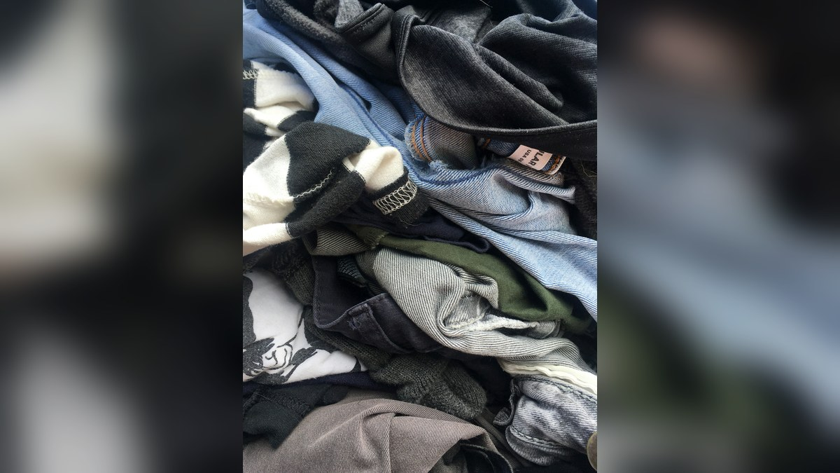
The environmental impact is also serious. Producing clothes requires water, energy, chemicals, and transportation. When clothing is thrown away, much of it does not simply disappear. Some ends up in landfills, some is burned, and some is shipped to other countries where local communities must deal with the waste. The problem is not only personal shopping; it is a global system built around overproduction.
Still, students cannot solve fast fashion by feeling guilty about every purchase. Many people buy cheap clothes because they cannot afford expensive ethical brands. The goal should be more realistic: buy less, choose items that last, repair when possible, exchange with friends, use secondhand options, and resist the pressure to treat every trend as necessary.
Fashion can be creative and joyful. But it should not require invisible harm. The most stylish choice may not be the newest one. It may be the one we wear longer, value more, and refuse to throw away just because the internet moved on.