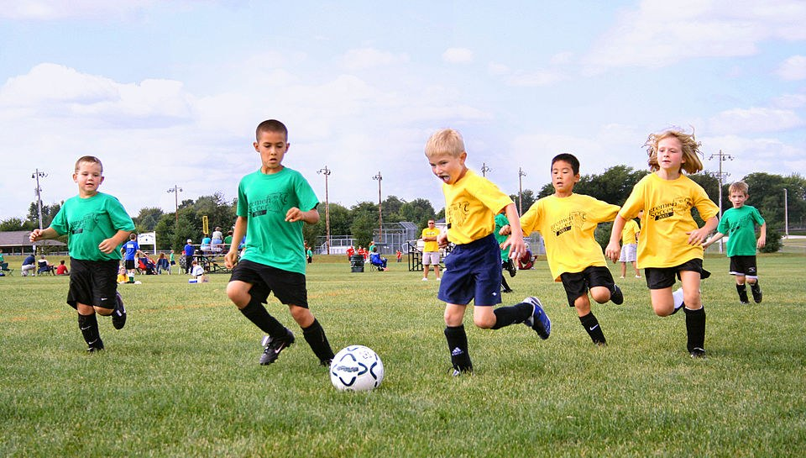
Sports are often measured by scores, rankings, and trophies. Those measures matter because competition gives games structure. But the deeper value of sports often appears in moments that do not fit neatly on a scoreboard.
A player learns how to lose without quitting, how to practice when improvement is slow, and how to trust people with different strengths. Team sports also teach the difficult balance between wanting to stand out and needing to serve the group.
The danger comes when winning becomes the only lesson. Young athletes can begin to see mistakes as shameful, opponents as enemies, and their bodies as tools rather than parts of themselves deserving care.
Good coaching keeps victory in perspective. It asks athletes to become disciplined, brave, generous, and resilient. A game ends after the whistle, but the habits formed on the field can follow a student for years.