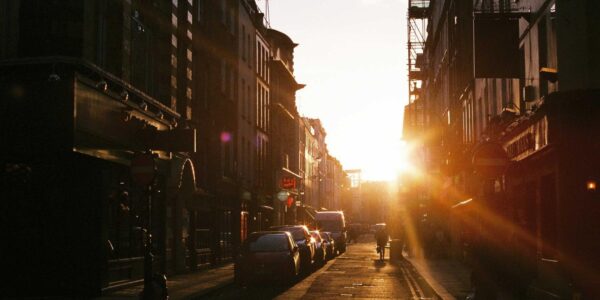
Why Art Restoration Can Never Be Completely Neutral
Restoring an artwork sounds like returning it to an original state, but the idea of an original state is often more complicated than it appears.

Why Literary Openings Often Make a Promise to the Reader
The first pages of a novel do more than introduce characters. They teach readers what kind of attention the book will require.
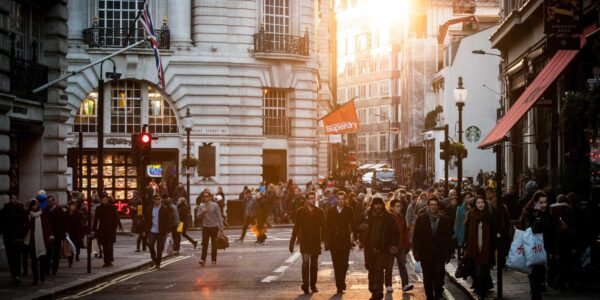
Why Portrait Photography Depends on What Happens Before the Photograph
A portrait may be captured in a fraction of a second, but the expression inside it is often shaped by everything that happens beforehand.

Why Shared Residential Spaces Need Better Lighting
Hallways, stairwells, parking areas, and entrances shape how safe and comfortable a residential building feels.
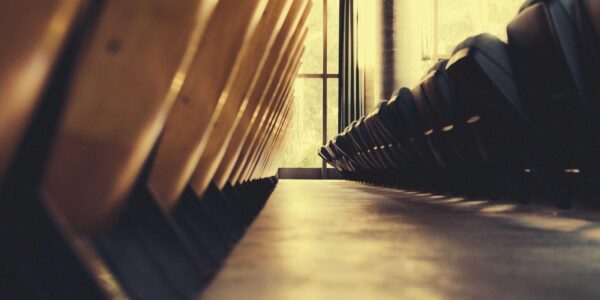
What Makes a Literary Setting Feel Real
A convincing setting does not require a writer to describe every street, room, tree, and building.

Why Sculpture Changes When You Walk Around It
Unlike a painting, a sculpture rarely offers one final viewpoint. Its appearance changes as the viewer moves.

Why Book Margins Matter More Than They Seem
Margins are empty spaces, but they help determine whether a page feels generous, crowded, formal, or intimate.

Why Dialogue on the Page Is Not the Same as Real Conversation
Real conversation is full of repetition, unfinished sentences, filler words, misunderstandings, and long stretches that are not especially interesting.
Why Art Students Benefit From Copying Masterworks
Copying an existing artwork can sound uncreative, but artists have used the practice for centuries as a way to understand technique.

Why Digital Calendars Need Better Travel-Time Planning
A calendar may show that two meetings do not overlap while ignoring the thirty minutes required to travel between them.

