
Why a Novel’s Title Can Change After the Book Is Finished
Writers sometimes begin a novel with a working title that survives for years and then replace it only after the manuscript is complete.

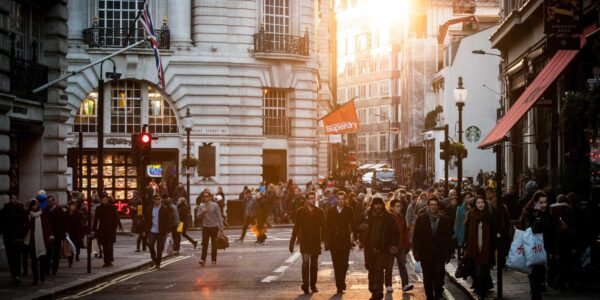
Why Street Photography Depends on Patience
Street photography is often associated with quick reactions, yet much of the work happens through waiting.
Why Fictional Letters Still Work in the Age of Instant Messaging
Letters may seem old-fashioned in contemporary fiction, but they create narrative possibilities that instant communication does not.

Why Literary Characters Do Not Have to Be Likeable
Readers are often told that a protagonist should be likeable, but many enduring characters are selfish, difficult, dishonest, or frustrating.

Why Art Exhibitions Need a Beginning and an Ending
An exhibition may contain dozens of separate works, but visitors rarely experience them as an unordered collection.
Why Public Murals Become Landmarks Even Without Official Status
A mural does not need a plaque or heritage designation to become part of how people recognize a neighborhood.

Why Poetry Sounds Different When Read Aloud
A poem on the page can appear silent, but its line breaks, pauses, repetitions, and sounds often become more obvious when someone reads it aloud.

Why Art Restoration Can Never Be Completely Neutral
Restoring an artwork sounds like returning it to an original state, but the idea of an original state is often more complicated than it appears.

Why Literary Openings Often Make a Promise to the Reader
The first pages of a novel do more than introduce characters. They teach readers what kind of attention the book will require.
Why Portrait Photography Depends on What Happens Before the Photograph
A portrait may be captured in a fraction of a second, but the expression inside it is often shaped by everything that happens beforehand.

