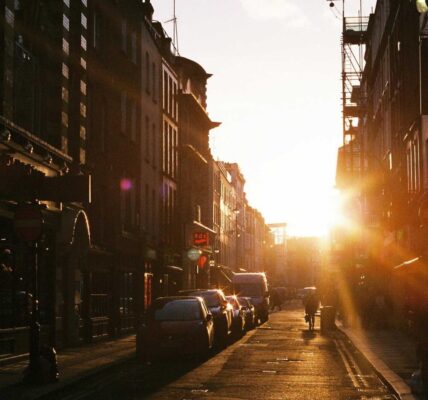
Rain, heat, fog, and wind often appear in fiction as more than scenery. Weather can shape mood, alter behavior, and place pressure on characters without a single line of dialogue.
A storm can trap people together. Extreme heat can slow a city down. Snow can make a familiar place feel isolated. Because weather affects everyone in a scene, it becomes a natural way to change the emotional temperature of a story.
This matters because audiences rarely experience technique in isolation. Form, context, sequence, and expectation work together, and a small change in one element can alter the whole response.
Writers also use weather symbolically, but symbolism works best when it grows from the physical world rather than replacing it. A rainy funeral is predictable unless the rain actually changes how people move, speak, or remember.
The strongest uses of weather are therefore both practical and emotional. They make the environment active.
Close analysis often begins with a detail that seems almost invisible. Once that detail is noticed, the larger structure becomes easier to understand.
When weather matters to the plot and to the senses at the same time, setting begins to feel less like decoration and more like a force.
For students, the useful question is not simply whether a method is effective. It is what the method makes possible and what it prevents.
Close analysis often begins with a detail that seems almost invisible. Once that detail is noticed, the larger structure becomes easier to understand.
Creative decisions also become clearer when we compare alternatives. The choice that appears natural may have been selected from several very different possibilities.
The subject is a reminder that art and literature are built from attention. Makers decide what to emphasize, what to omit, and how long an audience should remain with an idea.
A. Bennett