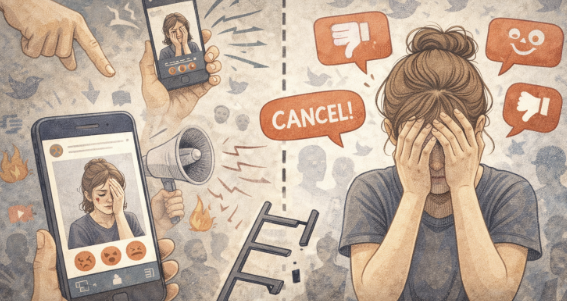
A university student spent a semester annotating digital textbooks. When the subscription expired, access to the books ended as expected, but the student also lost personal notes, questions, and page references created during months of study.
E-book platforms provide search, portability, adjustable text, and integrated annotation. These features can improve learning, especially for readers who use assistive technology. The notes, however, are the reader’s own intellectual work even when the underlying book remains licensed.
Platforms should allow export in a common format such as text, PDF, or structured data. The export can include the reader’s notes, highlight locations, chapter titles, and short quotations within lawful limits. It does not need to reproduce the entire copyrighted book.
The process should work before and after a subscription ends for a reasonable period. Readers need reminders when a course license, library loan, or account is about to expire. A platform should not use the threat of losing annotations to pressure customers into renewing access they no longer need.
Portability also supports accessibility. A reader may want to move notes into a screen-reader-friendly document, research manager, or study system. Proprietary formats can trap information inside software that later closes, changes ownership, or removes a feature.
Schools and libraries should evaluate annotation export when selecting vendors. Price and catalog size matter, but so does the ability of students to retain their own learning record. Clear policies can distinguish personal notes from shared instructor comments or restricted assessment material.
Digital reading should not make personal scholarship less durable than handwriting in a notebook. Exportable annotations give readers continuity while respecting the publisher’s rights in the book itself. The platform supplies the page, but the reader creates the reflection attached to it.
Exports should retain enough structure to remain understandable, including the book title, chapter, and date of each note.
C. Vanegas